

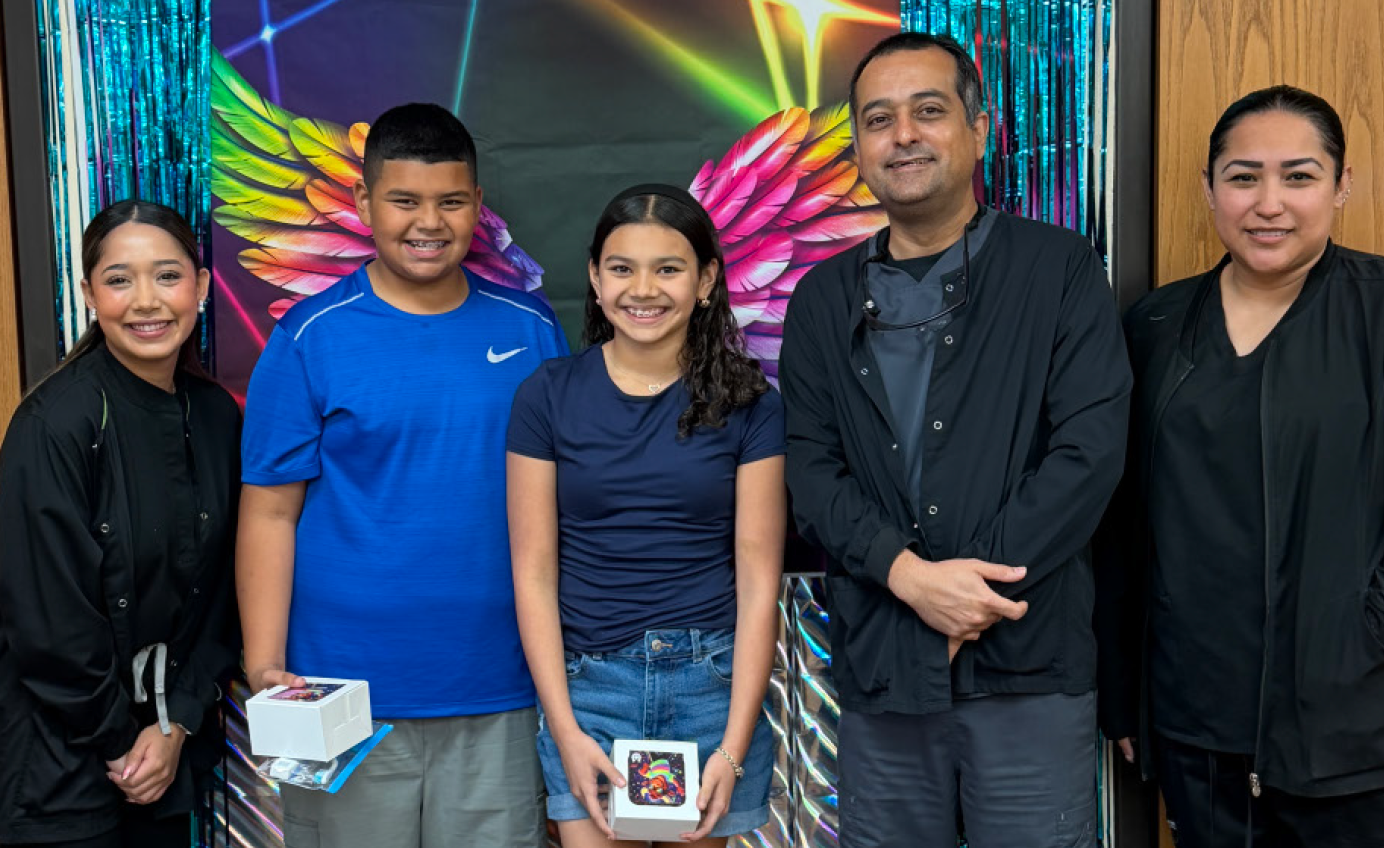
Braces. Although they are a common form of orthodontic treatment, many continue to have fears, questions, and anxiety about orthodontic treatment.
Dr. Mahesh Gondi, a board-certified orthodontist with Rodeo Dental, said many patients and parents have similar questions when considering orthodontic treatment.
 “Some of the most common questions I hear are: “Will braces hurt?”, “How long will treatment take?” “Will I need teeth removed?”, and “Can I still eat my favorite foods?”’ Dr. Gondi explained. “Parents are often concerned about whether their child is too young or too old for braces, while adults frequently ask if orthodontic treatment is still possible later in life. Fortunately, modern orthodontics offers solutions for patients of all ages, and most concerns can be addressed during a comprehensive consultation.”
Dr. Gondi also serves as an Associate Dental Director in the Rio Grande Valley.
“At Rodeo Dental & Orthodontics, our mission is to provide high-quality, compassionate, and affordable orthodontic care to the families we serve,” Dr. Gondi said. “We are proud to utilize modern technology while maintaining a patient-centered approach. Seeing a patient’s confidence grow throughout treatment and helping them achieve a healthy, beautiful smile is one of the most rewarding aspects of my profession.”
Advances in orthodontic technology have changed how treatment is planned and delivered compared to previous decades.
“It has absolutely changed,” he said. “Orthodontic technology has advanced tremendously over the past two decades. We now utilize digital imaging, advanced treatment-planning software, improved bracket systems, lighter and more efficient wires, and clear aligner technology. These innovations have made treatment more comfortable, more efficient, and more predictable than ever before.”
Dr. Gondi said that patient education often addresses common misconceptions about orthodontic treatment.
“One common misconception is that braces are only cosmetic. While braces certainly improve a person’s smile and confidence, they also play an important role in improving bite function, oral health, and long-term dental stability.” Dr. Gondi said. “Another misconception is that every patient needs teeth extracted. In reality, treatment is highly individualized. Many patients can be treated without extractions, while others may benefit from them to achieve the healthiest and most stable result.”
Questions about the appropriate age for orthodontic treatment are also common.
“The American Association of Orthodontists recommends that children have their first orthodontic evaluation by age 7,” he explained. “This does not mean treatment starts at age 7, but it allows orthodontists to identify growth-related concerns early.”
Dr. Gondi said many adults also ask whether orthodontic treatment remains an option later in life.
“There is also no upper age limit for orthodontic treatment,” Dr. Gondi said. “I routinely treat teenagers, adults, and even patients in their 60s and 70s. As long as the teeth and supporting tissues are healthy, orthodontic treatment can often be successful at almost any age.”
 While many patients seek orthodontic treatment to improve their appearance, Dr. Gondi noted that braces can also provide functional and oral health benefits.
“A beautiful smile can significantly improve self-confidence, but braces do much more than straighten teeth,” he said. “Orthodontic treatment helps align the teeth and jaws properly, creating a healthier bite and improving overall oral function. Proper alignment also makes it easier to brush and floss effectively, reducing the risk of cavities and gum disease.”
Dr. Gondi said orthodontic treatment can address several issues that affect long-term oral health.
“Orthodontic treatment is often medically beneficial,” Dr. Gondi said. “Severe crowding can make oral hygiene difficult and incre
ase the risk of tooth decay and periodontal disease. Bite problems can contribute to abnormal tooth wear, chewing difficulties, speech concerns, and, in some cases, jaw discomfort. Correcting these issues can improve both oral health and quality of life.”
Dr. Gondi encouraged families with concerns about orthodontic treatment to seek an evaluation and discuss available options with a qualified orthodontist.
“My advice to families is not to delay an orthodontic evaluation if they have concerns,” he said. “Early assessment allows us to identify developing problems and determine the most appropriate timing for treatment. Every patient is unique, and orthodontic treatment should always be customized to the individual’s needs and goals.”
Dr. Gondi emphasized the importance of collaboration among orthodontists, patients, and families throughout the treatment process.
“Perhaps most importantly, successful orthodontic treatment is a partnership between the orthodontist, the patient, and the family,” Dr. Gondi said. “Consistent appointments, good oral hygiene, and following treatment instructions play a significant role in achieving the best possible outcome. As a board-certified orthodontist, I believe every patient deserves individualized care, honest communication, and treatment recommendations that are in their best long-term interest. Our team is committed to making orthodontic care accessible, comfortable, and a positive experience for every family who walks through our doors.”

