

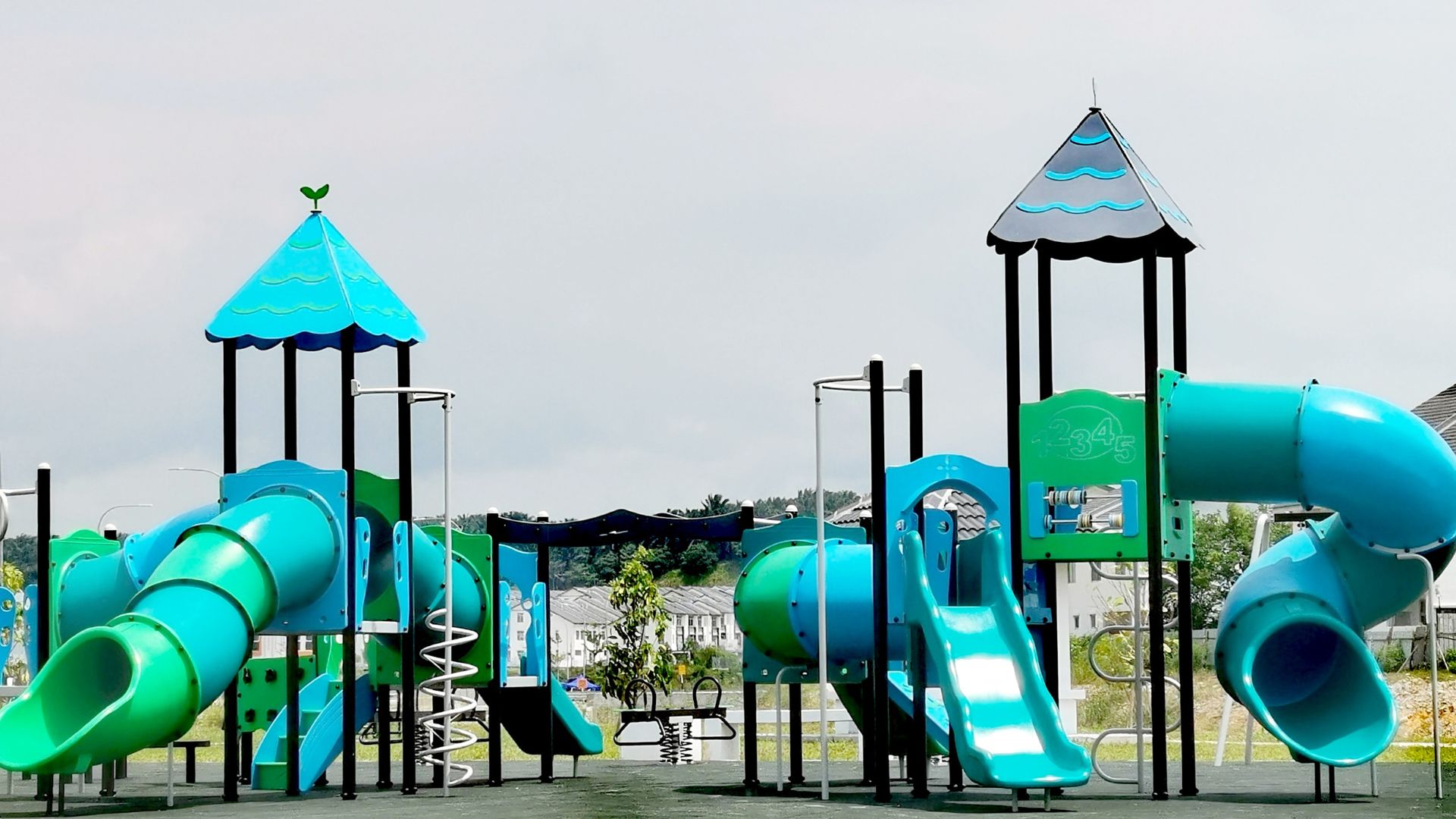
A successful commercial playground does more than give children somewhere to play. When thoughtfully planned, it can become a gathering place that brings families together, encourages physical activity, supports social interaction, and gives people another reason to spend time within their community.
Municipalities, schools, developers, homeowners associations, churches, and other organizations increasingly recognize the value that quality outdoor recreation brings to the people they serve. The challenge is creating a space that meets the needs of different users while remaining safe, accessible, durable, and engaging for years to come.
Designing a commercial playground begins long before equipment is installed. It starts with understanding the community itself.
Understand Who the Playground Is Being Designed For
No two communities use recreational spaces exactly the same way. A playground within a neighborhood development may primarily serve families who live within walking distance, while a municipal park could attract visitors from across an entire city. A school playground has another set of needs entirely.
Understanding expected users helps guide decisions about commercial playground equipment, layout, accessibility, shade, seating, and surrounding amenities.
Age ranges are particularly important. Younger children typically engage with play differently than older children, which means a single type of play structure may not adequately serve everyone. Creating areas with varying levels of physical challenge allows children to find activities that match their abilities while continuing to discover new ways to interact with the space.
The needs of parents, caregivers, and other visitors should also be part of the conversation. Comfortable seating, visibility across play areas, accessible pathways, and shade can significantly influence how long families choose to remain at a park.
Design for Different Ways to Play
Children experience playgrounds through movement, imagination, exploration, and interaction. A strong commercial playground design creates opportunities for several forms of play instead of relying on one primary activity.
Climbing structures can challenge strength and coordination, while slides and elevated pathways encourage movement throughout the playground. Ground-level activities can create additional opportunities for imaginative and social play. Open areas give children room for unstructured recreation and interaction.
Providing variety also helps distribute activity throughout the playground. When children have multiple destinations to explore, the space can feel more dynamic and accommodate larger groups more effectively.
Commercial play structures should ultimately work together as part of a larger environment rather than functioning as isolated pieces of equipment.
Make Accessibility Part of the Original Design
Community recreation spaces should provide meaningful opportunities for as many people as possible to participate.
Accessibility begins with how people enter and navigate the playground, but thoughtful inclusive design extends beyond pathways. Play experiences can be created for children with different mobility, sensory, developmental, and physical needs.
When accessibility is considered at the beginning of the planning process, it can be integrated naturally into the overall layout. This creates a more cohesive recreational environment than attempting to add accessible features after the primary playground has already been designed.
Inclusive playground planning also benefits families. Parents, grandparents, and caregivers with varying mobility needs should be able to comfortably navigate the area and engage with children throughout the space.
Consider the Entire Recreation Environment
Commercial playground equipment may be the centerpiece of a park, but surrounding amenities often determine how comfortable and functional the space becomes.
Shade structures can make outdoor areas more inviting, particularly in Texas communities where direct sun and high temperatures can limit comfortable outdoor recreation. Strategic shade can provide relief over playground areas, seating spaces, or gathering locations.
Benches and site furnishings give parents and caregivers places to rest while maintaining visibility of the play area. Pathways can connect the playground with walking trails, parking areas, sports facilities, and other park amenities.
Outdoor fitness equipment can further expand the audience for a recreational space by giving teenagers and adults opportunities to exercise while children use the playground. When these elements are planned together, a traditional playground can evolve into a multigenerational recreation destination.
Plan Safety From the Ground Up
Playground safety is influenced by much more than the play structure itself.
The relationship between equipment height, fall zones, playground safety surfacing, circulation, and visibility should be considered throughout the design process. Proper spacing helps children move between activities more comfortably, while clear sightlines can make supervision easier for parents and caregivers.
Surfacing deserves particular attention because children inevitably fall while playing. Selecting a surfacing solution appropriate for the equipment, expected use, accessibility needs, and site conditions is an important component of commercial playground planning.
Safety should not feel separate from good design. When incorporated properly, the two work together to create an environment where children can explore and challenge themselves within a thoughtfully planned space.
Prepare for the Realities of the Site
Every playground site presents different opportunities and constraints. Available square footage, drainage, existing landscaping, utilities, pathways, nearby structures, and the surrounding environment can all affect what is possible.
Understanding these conditions before selecting equipment can prevent the project from being designed around components that ultimately do not fit the space effectively.
For organizations renovating an existing park, the goal may not require replacing everything. Existing playground areas can sometimes be enhanced through new commercial outdoor play equipment, updated surfacing, shade structures, site furnishings, or complementary recreation options.
A site-specific approach allows the project to respond to what the community already has while addressing what it still needs.
Build for Long-Term Community Value
Commercial playgrounds are long-term investments. Equipment may serve thousands of children over many years, making durability and maintenance important considerations during the planning process.
Commercial-grade playground equipment is designed to withstand frequent use and outdoor exposure, but organizations should still consider the maintenance requirements associated with equipment, surfacing, shade structures, and other amenities.
Long-term value should also be measured by how successfully the community uses the space. A playground that remains active, welcoming, and relevant to residents provides value far beyond the equipment itself.
This is why thoughtful planning matters. Creating a space around actual community needs can help maximize the impact of the investment while providing an outdoor destination people genuinely want to use.
Create a Recreation Space That Brings People Together
Great playgrounds become part of the identity of the communities they serve. They are places where children develop confidence, families spend time together, neighbors meet, and healthy activity becomes part of everyday life.
By considering accessibility, safety, age-appropriate play, shade, site amenities, outdoor fitness opportunities, and long-term durability as part of one cohesive plan, organizations can create commercial playgrounds that serve much more than a single purpose.
The result is not simply a collection of playground equipment. It is an outdoor recreation environment designed to strengthen the community around it.
Bring Your Commercial Playground Project to Life with AOT Recreation
AOT Recreation helps municipalities, schools, developers, HOAs, and organizations create outdoor environments that support recreation, wellness, and community connection. With solutions that include commercial playground equipment, outdoor fitness equipment, playground safety surfacing, shade structures, and site amenities, AOT Recreation can help bring each element of a recreation project together.
Ready to plan a commercial playground for your community? Contact AOT Recreation to discuss your project and explore recreation solutions designed around your space, users, and goals.
https://aotrec.com/resources/how-to-design-a-commercial-playground-that-serves-the-whole-community/

