

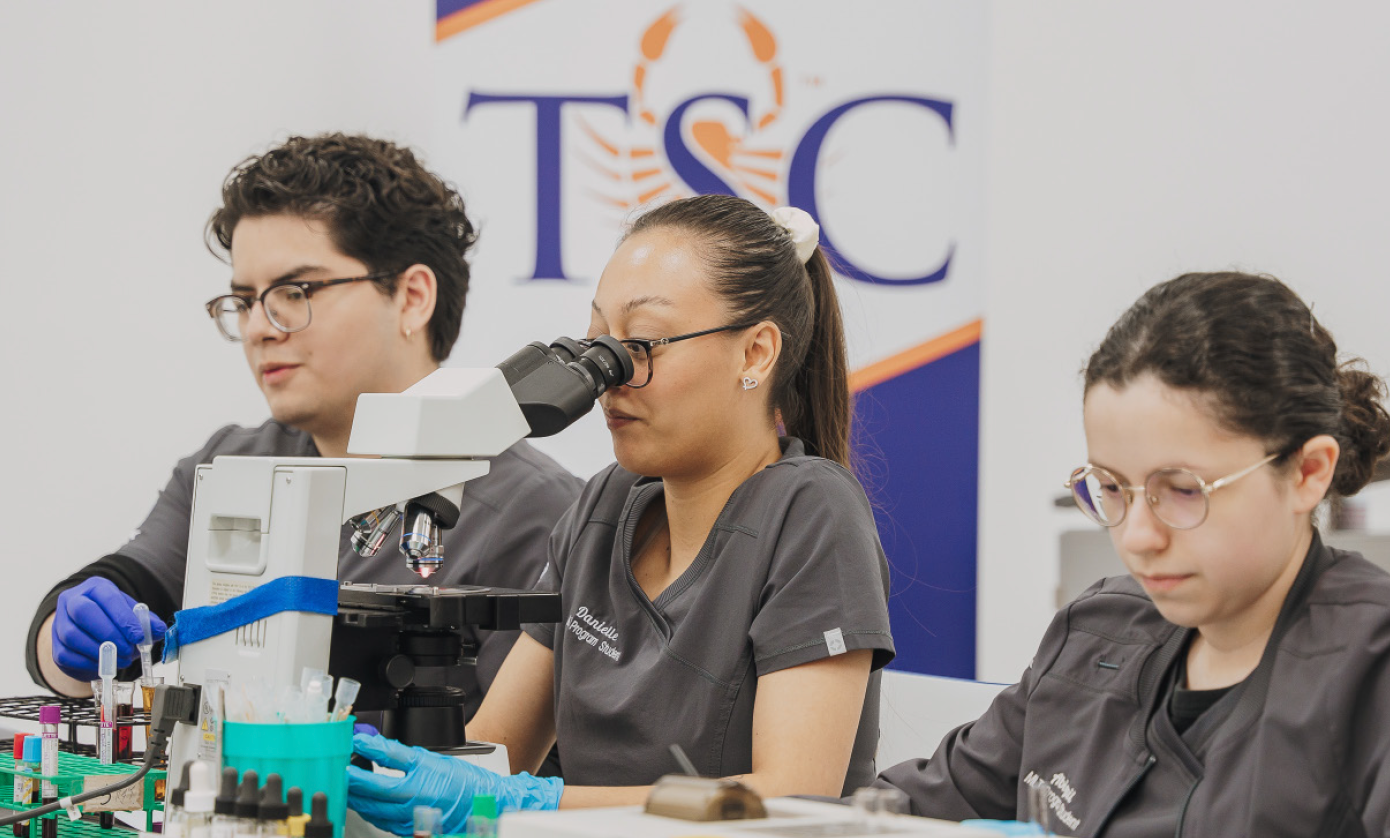
The healthcare industry faces a growing demand for highly trained professionals. At the same time, many individuals seek opportunities to break into this rewarding field. Texas Southmost College’s Allied Health Education Program addresses this need head-on by offering students comprehensive educational pathways and hands-on training, guiding them toward lifelong careers in health care.
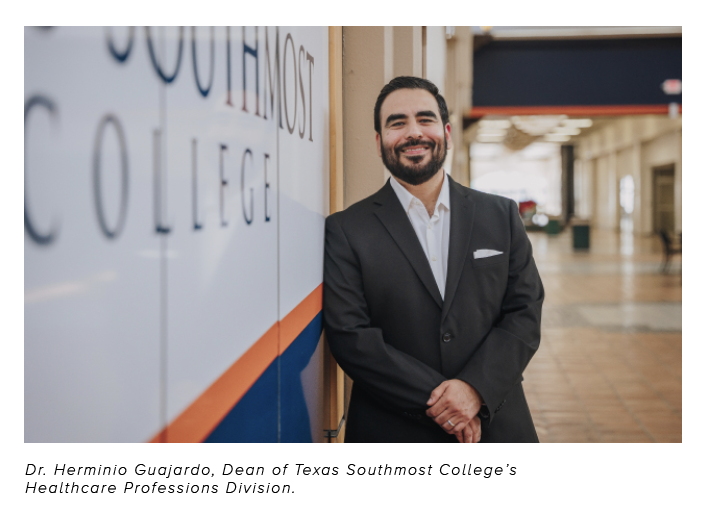
“The greatest advantages our students gain from our programs are high-quality education and hands-on training,” said Dr. Herminio Guajardo, Dean of Texas Southmost College’s Healthcare Professions Division. “This is a transformative experience, enabling students to acquire the knowledge they need to pursue the careers they’ve always dreamed of.”
 The Allied Health Education program at Texas Southmost College is committed to offering various programs in a diverse selection of professional fields. The programs are offered in two categories: certification and associate degree.
Certification programs provide students with a direct pathway to earn certifications in specialized roles within the health profession and prepare them to obtain licensure if required by the field. A Level 1 Certification course requires 15 credit hours. A Level 2 typically requires around 50 credit hours, making them an ideal choice for non-traditional students juggling additional obligations such as working full time and studying for classes.
Currently, the program offers Level 1 Certification programs for Certified Nursing Assistant (CNA), Level 2 Certification for Licensed Vocational Nursing (LVN), and Emergency Medical Science (EMS). It offers both Level 1 and Level 2 certificate programs, though students who complete a Level 1 certificate can take the licensure exam to become an EMT and begin practicing.
 The Associates of Applied Science (AAS) program pathways are similar to those of a traditional two-year associate degree program. Those who complete the program will earn their associate degree and gain eligibility to take the required exams to earn a license in their chosen field.
The associate’s plan offers a broader selection of specialized fields, including Diagnostic Medical Sonography (DMS), Radiologic Technology (RADR), Medical Laboratory Technology (MLT), Respiratory Care Science (RSPT), and EMS as a continuation beyond the Level 2 certification.
“Once they have their license, it opens up many new opportunities for them because it allows them to practice in the state of Texas or even across the country,” continued Dr. Guajardo. “It’s a flexibility that gives them several options in terms of whether they are looking for employment locally or if it helps facilitate a move to a different city or state if that’s what they want.”
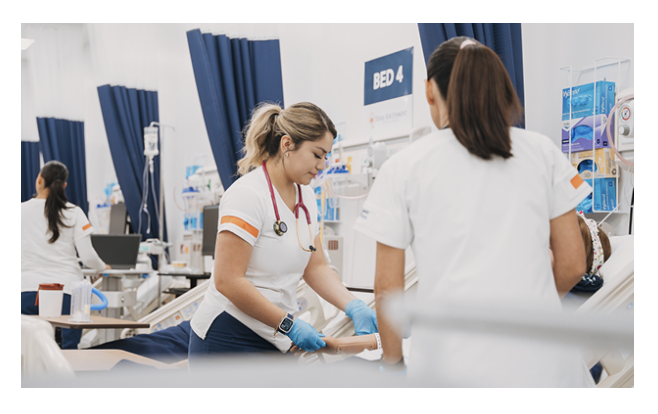
In addition to the classroom portion requirements, on-site clinical training is a crucial aspect of the program. Clinical training is essential to nursing education, equipping students with real-world experience and teaching them how to translate theoretical knowledge into practical application for their future careers. Through partnerships with various medical facilities in the Rio Grande Valley, such as Valley Regional Medical Center and Valley Baptist Medical Center in Brownsville, Texas, Southmost College, students have numerous opportunities to practice their classroom learning in real-world settings. Dr. Guajardo pointed out that networking with possible future employers is an often-overlooked benefit correlated with clinical training.
“When a student is accepted into a TSC Allied Health program, they learn the academic side in the classroom, but we also have the clinical sites where they practice their skills, gaining real-world experience,” continued Dr. Guajardo. “As students are going through their clinicals, students have a great opportunity to network with future employers so that after they complete their program and secure their license, there will already be people in the field who are familiar with the quality of their skills and work ethic.”
Mary Kasprisin, Director of the Associate Degree Nursing program at Texas Southmost College, proudly stated, “We can say that our students have a 100% employment rate upon graduation.” She also emphasized the importance of clinical visits, explaining, “We tell our students that every clinical visit is like an interview. The managers, head nurses, and nurses on the floor are constantly observing and evaluating you.” This approach has proven highly effective, as many students secure nursing jobs before graduation. Kasprisin noted that early connections made during clinicals offer a significant advantage when starting their careers.
With the wide range of medical disciplines available for study at Texas Southmost College Allied Health programs, it’s understandable that it may feel overwhelming to those looking in from the outside. However, Dr. Guajardo reassures those who may have doubts that the programs are always open to answering any questions that future students may have.
“Our faculty are very open to talking to potential new students if they have any questions about our programs,” said Dr. Guajardo. “That direct interaction is so important in showing people what these programs have to offer, how they can work toward positively impacting future careers and helping them get as much information as possible so that they can determine if a certain program is right for them.”

